Occlusal Splints
(Night Guards)

About Occlusal Splints (Night Guards)

Occlusal Splints
(Night Guards) at Mickleham Dental

If you grind or clench your teeth during sleep, a custom-made night splint can help protect your smile. At Mickleham Dental, we offer professionally fitted night splints designed to reduce jaw tension, prevent tooth wear, and alleviate symptoms of teeth grinding (bruxism) and TMJ disorders. Comfortable and easy to wear, night splints are a simple yet effective way to protect your teeth and improve your sleep quality.

Occlusal Splints
(Night Guards)

Many people suffer from Bruxism, or in general terms, Teeth Grinding. Some also clench their jaws during the day or during sleep, but are completely unaware of it. If you often wake up with facial or jaw pain, suffer from frequent headaches or have worn down teeth, you may need one of those people.

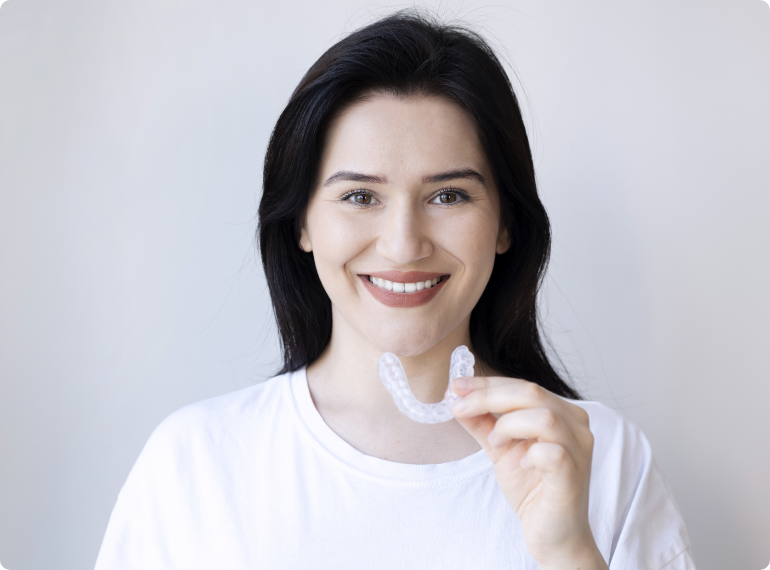
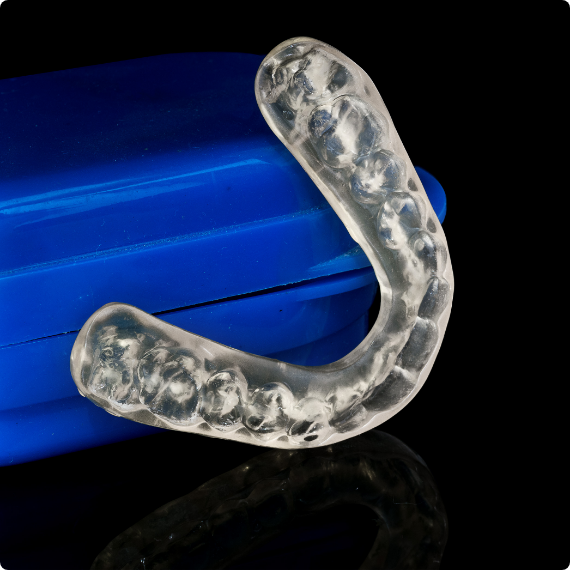
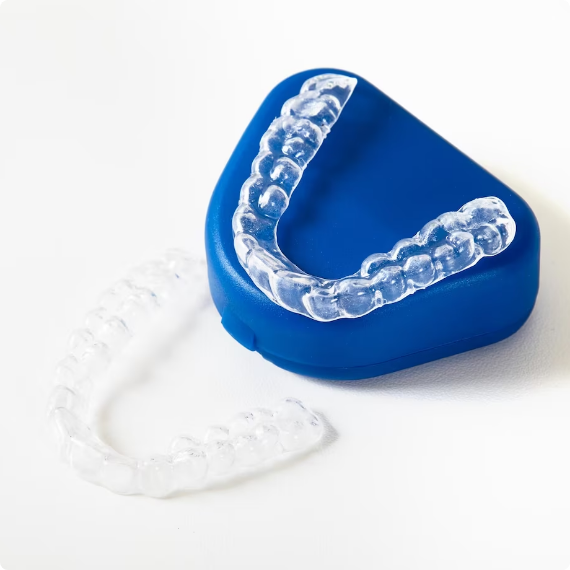
A Dental Nightguard or Occlusal Splint is a Custom-Made clear appliance, which fits snugly over either the upper or lower teeth, which is worn at night to prevent the upper and lower arches from coming into contact with one another.
Talk to our team today to see if an Occlusal Splint is right for you.

Do You Need a Occlusal Splint (Night Guard)?

There are several common signs that may indicate you’re clenching or grinding your teeth while you sleep and could benefit from a custom-fitted nightguard:

  • Noticeable teeth grinding or clenching (bruxism)
  • Chipped, cracked, or worn teeth
  • Waking up with headaches or jaw pain/ jaw stiffness or discomfort in the morning


If you’re experiencing any of these symptoms, our team at Mickleham Dental can assess your bite and provide a tailored solution to protect your teeth and ease discomfort.

How Does an Occlusal Splint Help?

Our occlusal splints are custom-designed using precise models of your teeth and crafted with the help of advanced chewing simulation technology. At Mickleham Dental, your splint is expertly created by our dental technician—formerly a technician for the Professor at the University of Sydney—ensuring the highest level of accuracy and care.

The splint is designed to establish a balanced, even bite, helping to:

  • Prevent excessive wear on individual teeth
  • Minimise harmful pressure on the jaw joints
  • Protect the ligaments and cartilage supporting your bite


By redistributing the forces generated during clenching and grinding, an occlusal splint not only preserves your teeth but also helps reduce muscle tension and jaw discomfort.

Frequently Asked Questions

If you clench or grind your teeth at night (a condition called bruxism), it can wear down your tooth enamel, cause damage to your teeth, and even affect crowns or implants. An occlusal splint acts as a protective barrier, absorbing pressure to safeguard your teeth and reduce strain on your jaw.

After each use, rinse your splint with cold water and store it in water or wrapped in a moist tissue to keep it from drying out. Avoid hot water as it can warp the material. Once a week, clean your splint by soaking it in a denture-cleaning solution like Polident for about an hour.

Typically, you should wear your splint at night. Some patients with jaw pain may also benefit from daytime use as advised by your dentist. Do not wear your splint while eating.

If you don’t wear your splint consistently, your teeth may shift over time, causing the splint to fit poorly. This can mean your splint needs to be relined or replaced. Regular use ensures your splint continues to protect your teeth and jaw effectively.

Occlusal splints generally last 3 to 5 years, depending on wear and tear. In the first year, periodic adjustments may be needed to maintain the perfect fit as your teeth and jaw change. After that, adjustments can usually be made during your regular dental check-ups.

Most patients take about a month to fully adjust to wearing their nightguard. At first, you may notice:

  • A feeling of tightness on your front teeth
  • Increased saliva production
  • A temporary sensation that your teeth don’t fit together normally once the splint is removed

These sensations are normal and typically fade as you become accustomed to the splint.